
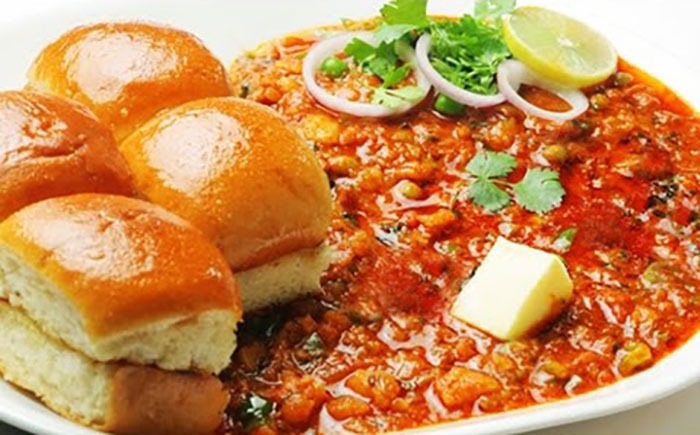
Pav Bhaji isn’t just a dish—it’s an edible symphony of mashed vegetables, spice, and butter that captures Mumbai’s spirit. This iconic street food combines a fiery, tangy vegetable curry (bhaji) with butter-toasted bread rolls (pav), creating a meal that’s hearty, messy, and utterly irresistible.
🧡 The Story Behind the Dish
Born in the 1850s–60s for Mumbai’s textile mill workers, pav bhaji was invented to provide a quick, affordable, and nutritious meal during short breaks. Over decades, it transformed from workers’ fuel to a culinary legend—now served everywhere from humble street carts to five-star hotels, yet never losing its soulful, democratic appeal.
🛒 Ingredients (Serves 5–6 generously)
For the Bhaji (Vegetable Curry):
- 4 medium potatoes – boiled and mashed
- 2 medium carrots – boiled and mashed
- 1 cup green peas – fresh or frozen
- 1 medium cauliflower (~400 g) – cut into florets and boiled
- 1 large capsicum (bell pepper) – finely chopped
- 4–5 medium tomatoes – finely chopped
- 3–4 tbsp butter + extra for finishing
- 2–3 tbsp pav bhaji masala (MDH/Everest or homemade)
- 1–1½ tsp red chilli powder (adjust to taste)
- ½ tsp turmeric powder
- 1 tsp cumin powder
- 8–10 garlic cloves + 2 green chillies – crushed together
- 2 medium onions – finely chopped
- Salt to taste
- Fresh coriander – finely chopped
- 1 lemon – cut into wedges
- Water as needed
For Serving:
- 10–12 soft pav (dinner rolls)
- Butter for toasting
- 1 large onion – finely chopped (for garnish)
- Lemon wedges
- Extra chopped coriander
👨🍳 Step-by-Step Instructions
1. Prepare the Vegetables
- Pressure cook potatoes, carrots, peas, and cauliflower florets with a little water for 3 whistles (or until tender).
- Once cooked, mash them coarsely while hot—keeping some texture is key.
2. Build the Flavor Base
- In a large, heavy-bottomed kadhai or pan, melt 3–4 tbsp butter over medium heat.
- Add finely chopped onions and sauté until golden brown.
- Add the crushed garlic-green chilli paste and fry for 1 minute until fragrant.
- Add chopped tomatoes and salt. Cook until the tomatoes completely break down (10–12 minutes), stirring occasionally.
3. Spice It Up
- Add pav bhaji masala, red chilli powder, turmeric, and cumin powder. Cook for 2–3 minutes until the raw aroma disappears and oil begins to separate.
4. Bring It All Together
- Add the mashed vegetables and finely chopped capsicum. Mix thoroughly.
- Pour in ¾–1 cup water to reach a thick but flowing consistency.
- Simmer on low heat for 15–20 minutes, mashing occasionally with the back of your ladle. The bhaji should become smooth yet retain tiny bits of vegetables.
5. Finish with Love
- Stir in an extra 1–2 tbsp butter and a handful of fresh coriander. Mix until the butter melts and glistens on top.
6. Toast the Pav
- Slit each pav horizontally without cutting through.
- On a hot griddle or pan, melt a generous amount of butter.
- Toast the pav until crisp and golden on both sides, adding more butter as needed.
7. Serve Like a Mumbaikar
- Ladle the hot bhaji onto a plate or into a shallow bowl.
- Top with an extra dollop of butter, chopped coriander, and a lemon wedge.
- Serve with buttered pav, a bowl of finely chopped raw onion, and extra lemon wedges on the side.
🍽️ Classic Mumbai-Style Presentations
1. The Street Cart Special
- Bhaji served on a flat metal plate (thali) with a single pav placed on top, partially submerged in the curry.
- Garnished with a round slice of lemon and a sprinkle of raw onion.
2. The Butter Bomb
- A full tablespoon of chilled butter placed in the center of the hot bhaji, slowly melting as it reaches the table.
- Served with extra-buttered pav toasted until crisp-edged.
3. The “Special” Upgrade
- Includes paneer cubes, grated cheese, or extra capsicum mixed into the bhaji.
- Often comes with a separate bowl of spicy garlic paste for those who want more kick.
4. Home-Style Comfort
- Served in a deep bowl with pav arranged around the edges.
- Accompanied by pickled green chillies and a side salad of onion, tomato, and cucumber.
🌟 Signature Tips from the Streets of Mumbai
1. Butter is Non-Negotiable
- Authentic Mumbai pav bhaji uses generous amounts of butter—it’s what creates the signature rich, glossy texture and unforgettable taste.
2. The Mash Matters
- Mash while simmering to develop the perfect consistency: smooth enough to scoop with pav, but with tiny vegetable pieces for texture.
- Use a flat masher or the back of a large ladle for best results.
3. Spice Secrets
- Good quality pav bhaji masala makes all the difference—MDH and Everest are street vendor favorites, or make your own blend for ultimate freshness.
- Crush garlic and green chillies together just before adding—never use pre-crushed garlic for maximum flavor.
4. The Capsicum Twist
- Add capsicum after mashing the other vegetables to retain its slight crunch and fresh flavor.
5. The Lemon Squeeze
- Always serve with extra lemon wedges—the final squeeze of citrus just before eating brightens all the flavors.
💡 Pro Variations to Try
Jain Version
- Omits onions, garlic, and root vegetables (potatoes, carrots).
- Uses yams, pumpkin, and beans instead, with ginger replacing garlic.
Cheese Pav Bhaji
- Grated processed cheese melted over the bhaji just before serving.
Paneer Pav Bhaji
- Cubes of paneer added during the final simmer.
“Black” Pav Bhaji
- Made with special dark pav bhaji masala for a deeper color and smokier flavor.
📝 Why This Dish Captures Mumbai
Pav bhaji embodies the essence of Mumbai—fast yet flavorful, humble yet decadent, chaotic yet comforting. It’s a dish that doesn’t discriminate, enjoyed equally by billionaires and students, tourists and locals. The ritual of tearing soft pav, scooping up spicy bhaji, adding raw onion and lemon creates an experience that’s as important as the taste itself.
Final Street Wisdom: “The best pav bhaji isn’t about fancy ingredients—it’s about the hawa (air) of Mumbai, the sound of the vendor’s bell, and the courage to use more butter than seems reasonable.”
Serve hot, eat with your hands, embrace the mess—and taste Mumbai in every bite.
Leave a Reply